
Use ACCURRA-S 4030, 6030. Fuel quality protects the engine. H2S and siloxanes.
The measurement and why it matters
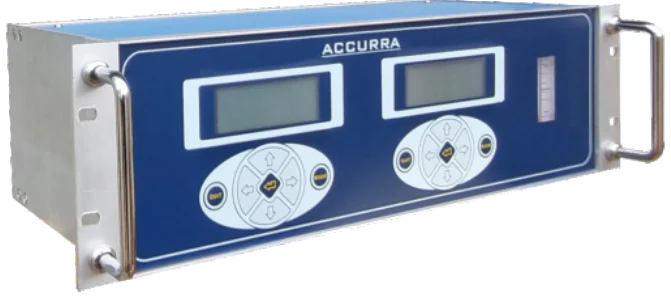
Fuel quality protects the engine. This is a good fit, with one configuration or sample-handling point to confirm before we quote.
Methane and CO2 in biogas show how healthy a digester or landfill is and how good the fuel is. Oxygen in the gas points to air ingress, which is both a quality and a safety concern.
Raw biogas carries moisture and H2S, and landfill gas can carry other contaminants. Those are outside the standard sample limits, so we review the stream and add conditioning before an analyser is placed. These pages describe safe-area analysis.
Typical buyers in India: biogas power producers, genset OEMs. Where this matches your plant, send us the gas, range, pressure and temperature at the tapping point and we will confirm the analyser and sample path.
Models and ranges
| Model | Measures | Range | Sensor and notes |
|---|---|---|---|
| 4030 | Methane | 0 to 100 % (min 0 to 5 %) | NDIR |
| 6030 | Carbon dioxide | 0 to 20 % or 0 to 100 % | NDIR |
Process notes
What the analyser reads here
Gases of interest: CH4, CO2, O2. Analyser fit: ACCURRA-S 4030, 6030.
The table above lists each model with its range; where a row says to confirm the range, we check it against the datasheet for your application before quoting.
What to settle before ordering
H2S and siloxanes.
We would rather confirm these points at the start than discover them at commissioning, so please include them with your process details.
Sampling and installation
- Every ACCURRA-S has an internal fine filter and rotameter. Regulate sample pressure and flow externally; the catalogue recommends about 1 LPM and a sample pressure of 2 to 10 psig.
- Keep sample lines short, clean and dry, and vent the sample somewhere safe.
ACCURRA-S sample specification: non-corrosive, non-toxic, non-flammable, non-condensing and dry, free from entrained oil; sample pressure 2 to 10 psig, regulated externally; flow about 1 LPM; dust below 3 micron. Where your sample differs, we design conditioning around it.
Send us your process data
The same pre-order design inputs our engineers design from, online. Fill in what you know, leave the rest. Your draft saves as you go, and you can print or send it when ready.
What the data sheet asks for
Send what you have and we will ask for the rest.
- The gases to measure, the range, and the accuracy you need
- Background gases and their typical composition
- Sample temperature, pressure and dew point at the tapping point
- Dust level, and whether the gas carries tar, oil or condensable vapour
- Process connection and, for ducts, the duct diameter
- Where the sample vents to, and at what pressure
- Area classification of the tapping point and of the analyser location, and the IP protection needed
- Distance between the tapping point and the analyser
- Outputs you need: 4-20 mA, dual range, relays, Modbus RTU
- Calibration approach, calibration gas available, and whether blowback is required
- Utilities at site: power supply, instrument air, nitrogen, steam and cooling water, and the ambient temperature range
- Gases and ranges: CH4, CO2, O2
- The point to confirm: H2S and siloxanes.
Recommended Sarvesh products
Frequently asked questions
Which analyser suits gas-engine gensets on biogas?
ACCURRA-S 4030, 6030 Fuel quality protects the engine.
What should I check before ordering for gas-engine gensets on biogas?
H2S and siloxanes.
Who typically needs this?
Typical buyers in India: biogas power producers, genset OEMs.
Can Sarvesh support a variation of this application?
Yes. If your process differs from the usual case, send the details. Application engineering is where we start every project, and bespoke applications are welcome.