
Electrolyser gas analysis measures hydrogen in oxygen, oxygen in hydrogen and moisture in product hydrogen. ACCURRA-TCD reads hydrogen in oxygen, ACCURRA-S or ACCURRA-Hz read oxygen, and hazardous-area enclosures are certified for Gas Group IIC, Zone 1 and 2, T6.
The measurement and why it matters
A membrane or diaphragm keeps hydrogen and oxygen apart, but some gas always crosses over, more at low load and at high pressure and as a stack ages. Hydrogen in oxygen is the dangerous direction, because hydrogen is flammable in oxygen over a wide range and ignites easily. Safety alarms are therefore set well below the flammability limit, which your safety study defines.
A typical gas-quality panel has an analyser on each product line. On the oxygen line, ACCURRA-TCD measures hydrogen in oxygen as a binary mixture. On the hydrogen line, an oxygen analyser, ACCURRA-S or ACCURRA-Hz with the sensor chosen by the sample background, measures oxygen in hydrogen, and a moisture analyser reads dew point in product hydrogen.
Our hazardous-area enclosures are certified for Gas Group IIC, Zone 1 and 2, T6. We make no SIL claim. If your specification requires SIL-rated devices, send it and we will respond point by point.
Models and ranges
| Model | Measures | Range | Sensor and notes |
|---|---|---|---|
| ACCURRA-TCD | Hydrogen in oxygen, or hydrogen purity | Binary mixtures | Thermal conductivity, platinum sensor |
| ACCURRA-S / ACCURRA-Hz | Oxygen | Trace, percent or purity | Sensor chosen by sample background |
| M015 or hazardous-area moisture | Moisture in product hydrogen | Dew point | Ceramic sensor |
Process notes
Electrolysis
An electrolyser splits water into hydrogen at one electrode and oxygen at the other. A membrane or diaphragm keeps them apart, but some gas always crosses over, more at low load and at high pressure. Hydrogen in the oxygen stream is the dangerous direction, because hydrogen is flammable in oxygen over a wide range and ignites easily.
The usual arrangement is an analyser on each product line: hydrogen in oxygen, with a low alarm and a trip, and oxygen in hydrogen, which also protects downstream purification and compression. Thermal conductivity is well suited to hydrogen because hydrogen conducts heat far better than most gases, and ACCURRA-TCD does this without a reference gas supply.
Sampling and installation
- Electrolyser samples are pressurised and wet. Send the line pressure, temperature and moisture and we will propose the sample system.
- Take samples after the gas separators and coalescers.
- Keep wetted parts compatible with wet hydrogen and oxygen.
- Put the analyser in a certified enclosure in the hazardous area, or sample to a safe-area house.
ACCURRA-S sample specification: non-corrosive, non-toxic, non-flammable, non-condensing and dry, free from entrained oil; sample pressure 2 to 10 psig, regulated externally; flow about 1 LPM; dust below 3 micron. Where your sample differs, we design conditioning around it.
Send us your process data
The same pre-order design inputs our engineers design from, online. Fill in what you know, leave the rest. Your draft saves as you go, and you can print or send it when ready.
What the data sheet asks for
Send what you have and we will ask for the rest.
- The gases to measure, the range, and the accuracy you need
- Background gases and their typical composition
- Sample temperature, pressure and dew point at the tapping point
- Dust level, and whether the gas carries tar, oil or condensable vapour
- Process connection and, for ducts, the duct diameter
- Where the sample vents to, and at what pressure
- Area classification of the tapping point and of the analyser location, and the IP protection needed
- Distance between the tapping point and the analyser
- Outputs you need: 4-20 mA, dual range, relays, Modbus RTU
- Calibration approach, calibration gas available, and whether blowback is required
- Utilities at site: power supply, instrument air, nitrogen, steam and cooling water, and the ambient temperature range
- Whether the project specifies SIL-rated devices
Recommended Sarvesh products
ACCURRA-TCD
Hydrogen in oxygen and hydrogen purity.
View ACCURRA-TCD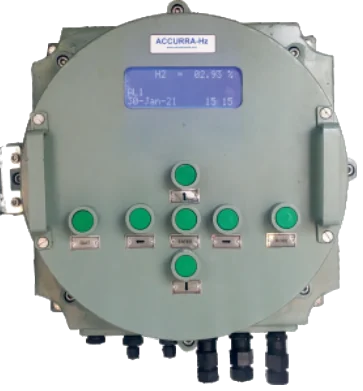
ACCURRA-Hz
Hazardous-area oxygen and hydrogen.
View ACCURRA-Hz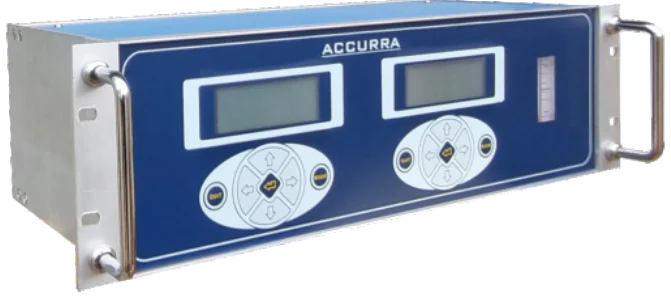
ACCURRA-S
M015 moisture analysis.
View ACCURRA-SFrequently asked questions
Where should alarms for hydrogen in oxygen be set?
Set points come from your plant safety study. The flammability limit of hydrogen in oxygen is a few percent, so alarms are usually set well below that.
Do your analysers have SIL certification?
We make no SIL claim. If your project requires it, send the requirement and we will confirm what we meet.
Which analyser measures oxygen in hydrogen?
ACCURRA-S for safe-area locations and ACCURRA-Hz for classified areas, with the sensor selected for a hydrogen background.
Can you supply a complete gas-quality panel?
Yes. Send the line pressure, temperature and moisture and we will propose the analysers and sample system.