
Syngas analysis measures CO, CO2, CH4, H2 and O2. Tar and condensables decide the sample system, so a heated probe, blowback and conditioning come first. Streams containing H2S, HCl or HF are outside the standard i-Cons and SGI-320 limits.
The measurement and why it matters
Gasification converts coal, biomass or waste into a gas rich in carbon monoxide and hydrogen. Pyrolysis heats waste plastic, tyres or biomass without oxygen to produce oil, gas and char. In both, gas composition sets heating value or the downstream route, and oxygen in a process meant to be oxygen-free is a safety signal.
The analysers: CO in ppm by electrochemical and percent by NDIR; CO2 and CH4 in percent by NDIR; hydrogen from ACCURRA-TCD, binary or as required; and oxygen from trace to percent from ACCURRA-S or ACCURRA-Hz.
Tar and condensables decide the sample system. Send composition, temperature and particulate load. A heated probe and line keep tar from condensing, blowback keeps the filter open, and a conditioner dries the gas before the analysers. i-Cons and SGI-320 are not suitable for samples containing H2S, HCl or HF.
Models and ranges
| Model | Measures | Range | Sensor and notes |
|---|---|---|---|
| 2015 / 2030 | CO | ppm and percent | Electrochemical and NDIR |
| 6030, 4030 | CO2 and CH4 | Percent | NDIR |
| ACCURRA-TCD | Hydrogen | Binary or as required | Thermal conductivity |
| ACCURRA-S / ACCURRA-Hz | Oxygen | Trace to percent |
Process notes
Syngas and coal gasification
Gasification converts coal, biomass or waste into a gas rich in carbon monoxide, hydrogen and some methane. The composition changes with feed, temperature and the oxygen or steam supplied, and it sets the heating value or the downstream synthesis route. Raw gas leaves the gasifier hot and carries tar, dust and water.
Measuring that gas means managing the sample first. A probe with a heated filter keeps tar from condensing, automatic blowback keeps the filter open, and a Peltier conditioner dries the gas before it reaches the NDIR cells. The analyser then reports CO, CO2 and CH4 reliably, and a TCD or Hz analyser covers hydrogen.
Pyrolysis
Pyrolysis heats waste plastic, tyres or biomass without oxygen to produce oil, gas and char. The gas stream is a mix of hydrogen, methane, other light hydrocarbons, CO and CO2, plus condensable vapours. The plant burns or recovers this gas, so its quality and flow matter.
Two measurements dominate. Oxygen, because air ingress during feeding or at flanges creates an ignition risk, and combustible gases, because their share shows whether the process is running as intended. Sampling is the difficult part: the gas is hot, and vapours condense as it cools, so heated probes, heated lines and a conditioner with a condensate drain are normal.
Sampling and installation
- Tar and condensables decide the sample system. Send composition, temperature and particulate load.
- Check for H2S, HCl and HF: i-Cons and SGI-320 are not suitable for samples containing them.
- Use a heated probe and line, blowback, and a condensate drain and detector.
- Safe venting of the analyser exhaust.
ACCURRA-S sample specification: non-corrosive, non-toxic, non-flammable, non-condensing and dry, free from entrained oil; sample pressure 2 to 10 psig, regulated externally; flow about 1 LPM; dust below 3 micron. Where your sample differs, we design conditioning around it.
Send us your process data
The same pre-order design inputs our engineers design from, online. Fill in what you know, leave the rest. Your draft saves as you go, and you can print or send it when ready.
What the data sheet asks for
Send what you have and we will ask for the rest.
- The gases to measure, the range, and the accuracy you need
- Background gases and their typical composition
- Sample temperature, pressure and dew point at the tapping point
- Dust level, and whether the gas carries tar, oil or condensable vapour
- Process connection and, for ducts, the duct diameter
- Where the sample vents to, and at what pressure
- Area classification of the tapping point and of the analyser location, and the IP protection needed
- Distance between the tapping point and the analyser
- Outputs you need: 4-20 mA, dual range, relays, Modbus RTU
- Calibration approach, calibration gas available, and whether blowback is required
- Utilities at site: power supply, instrument air, nitrogen, steam and cooling water, and the ambient temperature range
- Tar and particulate loading, and the sulphur content of the gas
Recommended Sarvesh products
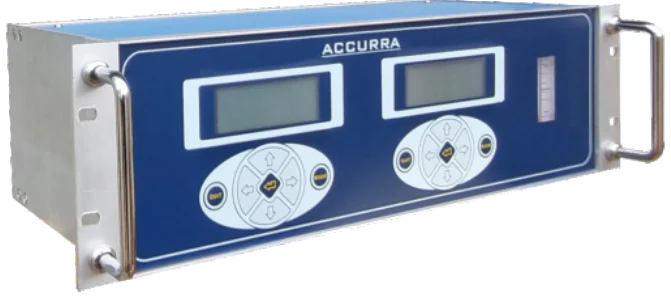
ACCURRA-S
CO, CO2, CH4 and O2.
View ACCURRA-SACCURRA-TCD
Hydrogen.
View ACCURRA-TCD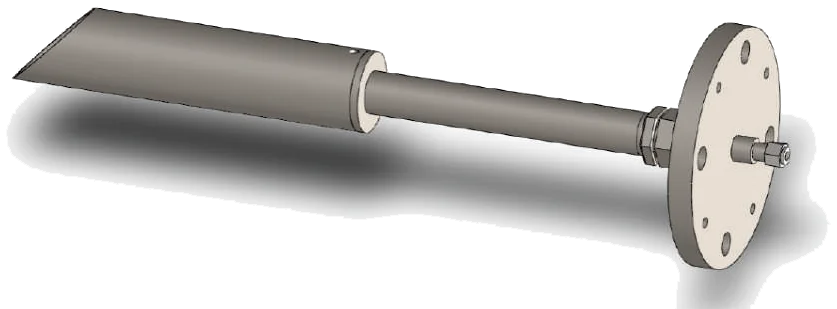
SP and SRP sample probes
Heated and high-temperature probes.
View SP and SRP sample probes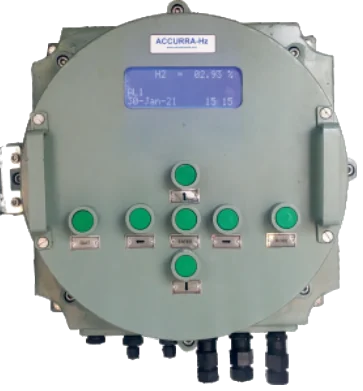
ACCURRA-Hz
Hazardous-area oxygen and hydrogen.
View ACCURRA-HzFrequently asked questions
How do you keep tar from blocking the line?
Heated probe and line, pulsating blowback of the filter, and a conditioner that trips and alarms when condensate is detected.
Can you measure wet syngas directly?
Hot-wet measurement is possible only in specific configurations. Most plants condition and dry the sample, which is more robust.
What alarm should I set on oxygen?
Use the value from your hazard study. Alarm points are configurable.
Which gases for pyrolysis control?
Oxygen for safety plus CO, CO2, CH4 and H2 for gas quality.
More in Pharma, chemicals and petrochemicals
- Nitrogen blanketing and inerting
- Reactors, hydrogenation and polymerisation
- Closed-loop dryers and spray dryers
- Fermenter and bioreactor off-gas
- Autoclaves
- Flare-gas recovery oxygen ingress
- Dust-collector, mill and silo inerting
- Solvent-recovery and distillation columns under inert gas
- All pharma, chemicals and petrochemicals applications
- Browse analysers by gas