
The analyser is often a third or less of the cost of a working measurement. Add the sample system, installation and commissioning, calibration gas, filters and sensors, labour for maintenance, and the cost of downtime or a wrong reading. A cheaper analyser with a weak sample system usually costs more over ten years. Compare quotes on the whole system.
- List the cost items of an analyser over its life
- Estimate the share of each
- Compare quotes on cost of ownership
The cost items
| Item | One-off or recurring |
|---|---|
| Analyser | One-off |
| Sample system: probe, line, conditioner, filters, regulators | One-off, often the larger part for difficult samples |
| Enclosure, shelter, mounting, cabling | One-off |
| Installation and commissioning | One-off |
| Calibration gas and regulators | Recurring |
| Filters, fittings, pump parts | Recurring |
| Sensors and cells | Recurring, at the end of life |
| Maintenance labour and training | Recurring |
| Utilities: power, air, nitrogen | Recurring |
| Downtime and wrong readings | Occasional but large |
Where the money goes
For a clean sample, the analyser may be the largest item. For a hot, wet or dusty sample, the probe, heated line and conditioner can cost as much as the analyser or more. Over a decade, calibration gas, sensors and labour add up to a large share, particularly for electrochemical sensors with a limited life: Sensor life, poisoning and replacement in gas analysers.
Cheap on paper, expensive in use
- A quote that omits the sample conditioning, then adds it after the first failures.
- An analyser with a short sensor life or costly consumables.
- A system that needs frequent calibration by an engineer.
- Poor support, leaving the plant to find faults alone.
What reduces cost
- A good sample system, which lowers failures: How to design a gas sample handling system.
- Auto-calibration where it saves labour: Auto-Calibration and validation checks for gas analysers.
- A maintenance routine and the right spares: Maintenance schedule and spares for gas analysers.
- A supplier who can answer the phone.
Compare like with like
Ask each supplier to quote the whole system with the same scope: How to compare gas analyser quotes like for like. Then add five or ten years of consumables and maintenance to each, using what you know of your own plant.
- The analyser is only part of the cost; the sample system and running costs matter.
- Difficult samples make the sample system the bigger item.
- Count calibration gas, filters, sensors, labour and downtime.
- Compare whole-system quotes over a decade.
Check your understanding
Answer in your head or on paper first, then open the answer. Recalling an answer teaches more than rereading.
Which cost often exceeds the analyser for a hot, dusty sample?
The probe, heated line and conditioning system.
Name three recurring costs.
Calibration gas, filters and sensors, and maintenance labour.
Why is a quote without sample conditioning risky?
The missing conditioning will be added later at higher cost after failures.
Key terms
Frequently asked questions
How much does an online gas analyser cost to run?
It depends on the sample and the analyser; count calibration gas, filters, sensors and labour.
Is the cheapest quote the best?
Rarely. Compare scope and lifetime cost.
How do I lower running costs?
Good sampling, a routine, auto-calibration and spares.
Should I include downtime in the comparison?
Yes, for critical measurements.
Related products
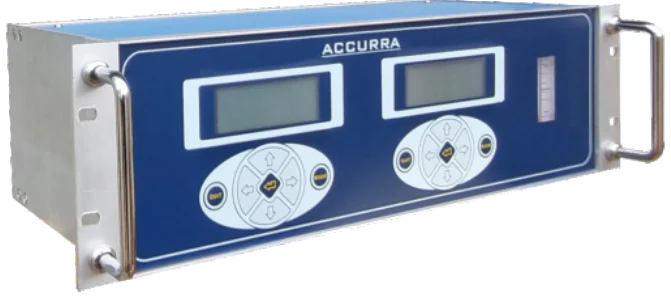
ACCURRA-S
Online analyser for trace, percent and purity O2, CO, CO2, CH4 and dew point; can measure two gases from one sample.
View ACCURRA-S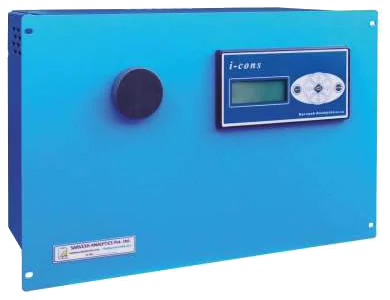
i-Cons
Smart Peltier sample conditioner with diagnostics, auto blowback and Modbus, in a compact 19 inch cabinet.
View i-Cons