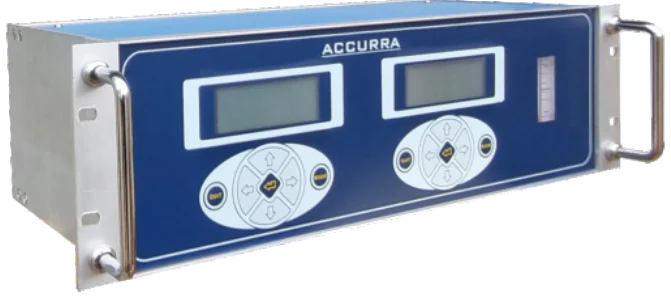
Apply known gas at the analyser inlet. If it reads right, the fault is in the sample or the process; if wrong, look at calibration, the sensor and the electronics. Use the symptom: reading high or low, noisy, slow, stuck or drifting, each with typical causes. Check the easy things first: flow, filters, leaks, calibration and recent changes.
- Use known gas to split sample faults from analyser faults
- Match symptoms to causes
- Follow a disciplined sequence
The first test
Apply certified zero and span gas at the analyser inlet, at normal flow and pressure. If the analyser reads both correctly, it is healthy and the problem is in the sample or the process: Sample system troubleshooting: symptoms to causes. If it does not, the analyser is the problem. This single test saves most wasted effort.
Symptoms and causes
| Symptom | Possible causes in the analyser or its calibration |
|---|---|
| Reads high | Zero offset, span error, interfering gas, wrong calibration gas, high sample pressure on a partial-pressure sensor |
| Reads low | Span error, exhausted sensor, low sample pressure or flow, condensate absorbing a soluble gas |
| Reads zero or a fixed value | Output scaling error, fault state, sensor failure, zero or span valve stuck open |
| Noisy | Pulsing flow, bubbles in condensate, electrical noise, loose connection, sensor near end of life |
| Slow | Aged sensor, blocked filter, long sample line, wet or plastic tubing |
| Drifts steadily | Temperature change, sensor ageing, calibration gas exhausted |
| Reads right in the lab, wrong on the plant | Sample not representative, interference, pressure or temperature effect |
Typical causes only: the datasheet and the commissioning baseline are your reference: Commissioning an online gas analyser: A Step-by-Step guide.
A disciplined sequence
- Check for recent changes: maintenance, process change, new gas cylinder, weather.
- Read the analyser's diagnostics and alarm history; ACCURRA-S stores calibration and alarm history.
- Check flow, pressure, filters and drain.
- Apply zero and span gas; record as-found.
- Compare with a portable or laboratory reference.
- Fix one cause, then repeat the test.
Recalibrating to make a wrong reading look right. If the sample or a leak is the problem, calibration hides it for an hour and then it returns.
When to replace the sensor
If the span error is large at each check, the response is sluggish, or the zero will not settle, the sensor is probably at the end of its life: Sensor life, poisoning and replacement in gas analysers.
Document the fix
Record the symptom, the cause, the fix and the follow-up reading. A fault that happens twice will usually have been in the log the first time.
- Known gas at the inlet separates analyser faults from sample faults.
- Match the symptom to typical causes, then test.
- Change one thing at a time and record.
- Do not recalibrate to hide a sample fault.
Check your understanding
Answer in your head or on paper first, then open the answer. Recalling an answer teaches more than rereading.
What is the first test to separate analyser from sample faults?
Apply certified zero and span gas at the analyser inlet.
A reading is noisy and the flow pulses. Where do you look?
At the sample system: pump, regulator and bubbles in condensate.
Why is recalibrating to match a wrong reading a mistake?
It hides a sample or leak problem that will return.
Key terms
Frequently asked questions
Why is my analyser reading zero?
Check the output scaling, fault state, sensor and valve positions; then apply span gas.
Why does the reading drift upward?
Temperature change, a leak, calibration gas exhausted or sensor ageing.
How do I know if the sensor is dead?
Large span corrections, slow response or a zero that will not settle.
Where are the alarm and calibration records?
ACCURRA-S saves calibration with deviation values and alarm history in the analyser.