
Most analyser faults are sample system faults. Low flow means a blocked filter or probe; slow response means long lines, high pressure or a wet line; high oxygen or moisture means a leak; water in the analyser means a failed drain or cooler; a reading that disagrees with the process means a bad tapping or a changed sample. Work from the tapping toward the analyser.
- Use a symptom table to find likely causes
- Follow a sensible order of checks
- Separate sample faults from analyser faults
Symptom to cause
| Symptom | Likely causes | First check |
|---|---|---|
| Flow low or zero | Blocked filter or probe, closed valve, failed pump, regulator fault | Pressure at the inlet, filter condition, valves |
| Response slow | Long or wide line, high line pressure, wet or plastic line, dead leg | Line volume and flow; see the lag calculator |
| Oxygen or moisture too high | Leak, permeation, wet line, insufficient purge | Leak-test, purge, replace plastic with steel |
| Reading noisy | Pulsing flow, bubbles in condensate, loose connection, electrical noise | Flow stability, drain, wiring |
| Reading drifts slowly | Filter blocking, temperature change, sensor ageing, calibration drift | Flow and pressure trend, calibration |
| Water in the analyser | Cooler failure, drain blocked, line below dew point | Cooler temperature, condensate detector |
| Reading disagrees with the process | Bad tapping, leak, stratification, sample altered in line | Compare against a portable instrument at the tapping |
| Reading stuck | Zero or span gas valve open, frozen display, sensor failure | Valve positions, apply known gas |
A sensible order of checks
- Check the sample gets there: pressure at the tapping, valves open, flow on the rotameter.
- Check the sample is clean and dry: filters, cooler, drain, condensate detector.
- Leak-test the line, especially for trace oxygen and moisture.
- Apply known gas: zero then span, to separate analyser from sample problems.
- Compare against a portable or laboratory result.
- Only then suspect the sensor.
Change one thing at a time and record it. Two simultaneous fixes teach you nothing.
Separating sample from analyser
Apply a certified calibration gas at the analyser inlet. If the reading is right, the analyser is healthy and the fault is upstream. If it is wrong, the analyser or its calibration is the problem: Troubleshooting gas analyser readings: high, low, noisy, slow.
Prevent repeats
- Keep a log of flow, pressure and drain checks.
- Fit alarms for low flow and condensate.
- Replace filter elements on a schedule: Maintenance schedule and spares for gas analysers.
- Record the commissioning values as a baseline.
- Start from the tapping and work toward the analyser.
- Use a symptom table to narrow the cause.
- Apply known gas to separate sample faults from analyser faults.
- Change one thing at a time; log the baseline.
Check your understanding
Answer in your head or on paper first, then open the answer. Recalling an answer teaches more than rereading.
A trace oxygen reading is high and steady. First two checks?
Leak-test the sample line and check the tubing material for permeation, then purge.
The sample flow fell to zero. What do you inspect?
The filter and probe for blocking, valves, and the regulator.
How do you tell whether the fault is in the sample or the analyser?
Apply certified gas at the analyser inlet; a correct reading clears the analyser.
Key terms
Frequently asked questions
Why is my analyser reading wrong?
Check the sample first: flow, filters, leaks, condensate. Then apply a known gas.
How do I find a leak?
Pressurise with inert gas and use a leak-detection fluid or a pressure-hold test.
Why does water get into the analyser?
A failed cooler or blocked drain, or a line below the dew point.
When should I call an engineer?
When known gas reads wrong, or after the sample checks are clean.
Related products
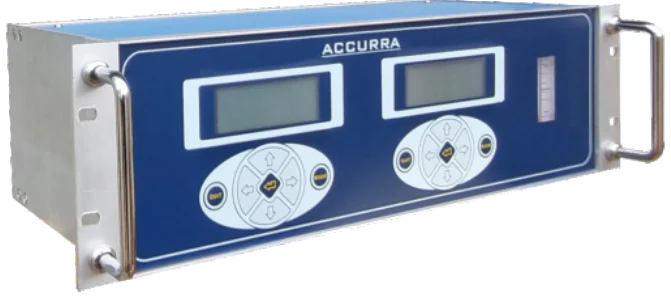
ACCURRA-S
Online analyser for trace, percent and purity O2, CO, CO2, CH4 and dew point; can measure two gases from one sample.
View ACCURRA-S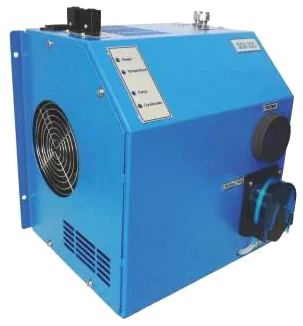
SGI-300 / SGI-320
Peltier sample cooler with integrated pump, filter and condensate detector; SGI-320 for emission monitoring.
View SGI-300 / SGI-320