An analyser needs a steady sample at its specified pressure and flow. Reduce pressure close to the tapping, regulate it, then set flow with a needle valve and read it on a rotameter. A fast bypass loop passes a large flow by the tapping and lets the analyser take a small slice, cutting lag. Vent the sample somewhere safe, without creating back pressure or letting air in.
- State why constant pressure and flow matter
- Place regulator, valves and flow meter in a sample line
- Explain a fast loop and when to use it
- Vent a sample safely
Why constant pressure and flow
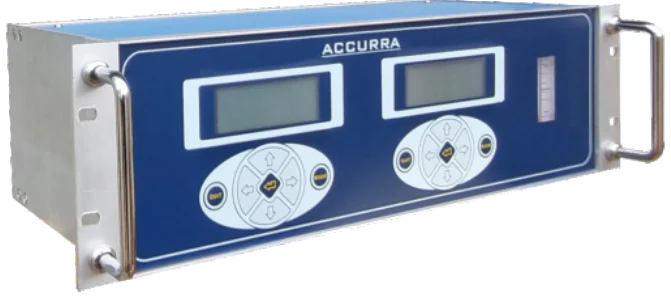
Many sensors respond to the pressure of the gas around them, and flow affects heat transfer, response time and cell behaviour. A varying sample pressure changes the reading just as weather does: How gases behave: pressure, temperature and partial pressure. ACCURRA-S expects 2 to 10 psig, regulated externally, with a flow of about 1 LPM.
The standard order
- Isolation valve at the tapping.
- Pressure reducer close to the tapping when the process is pressurised, so most of the line runs at low pressure.
- Filter and cooler as the sample needs.
- Fine pressure regulator and a needle valve to set the flow.
- Flow meter or rotameter, then the analyser.
- Vent.
Place the pressure drop early. A long line at low pressure is faster than a long line at high pressure: Gas sample line lag time calculator.
The fast loop
If the tapping is far from the analyser, bring a large flow from the tapping through a bypass loop that returns to a low-pressure point, and draw the analyser's small sample from that loop right beside it. The bulk of the line is flushed quickly, and the small branch to the analyser is short. This cuts the transport delay without raising the analyser's flow, and it keeps the sample fresh.
A 40 m line at 1 L/min with 4 mm bore takes about 30 seconds. A fast loop at 10 L/min cuts the main run to a few seconds, with only a metre of line at the analyser flow.
Venting
- Vent to a safe place: to atmosphere if the gas is harmless, to a flare or a recovery line if it is flammable or toxic.
- Keep back pressure at the vent low and steady; high or variable back pressure changes the sample pressure at the sensor.
- For trace oxygen, avoid a vent open to air that lets oxygen diffuse back upstream: Trace oxygen measurement and air ingress: ppm done right.
- Return the sample to the process where it is allowed, if venting is a loss or a hazard.
Check it often
A rotameter at the analyser is the daily check. A drifting flow indicates blocked filters, a leaking joint or a regulator failure. Record the flow and pressure at commissioning so later readings have something to compare with: Commissioning an online gas analyser: A Step-by-Step guide.
- Keep pressure and flow steady and at the analyser's specification.
- Reduce pressure near the tapping to cut lag.
- A fast loop shortens delay for long lines.
- Vent safely, with low steady back pressure and no air ingress.
Check your understanding
Answer in your head or on paper first, then open the answer. Recalling an answer teaches more than rereading.
Where in the line should pressure be reduced for a pressurised process?
Close to the tapping.
What does a fast loop do?
Passes a large flow past the tapping so the analyser's branch is short, cutting the lag.
Why does a vent open to air matter for ppm oxygen?
Oxygen can diffuse back up the vent against a low flow and enter the sample.
Key terms
Frequently asked questions
What flow does an ACCURRA-S need?
About 1 LPM, per the catalogue, with a regulated pressure of 2 to 10 psig.
Do I need a pressure regulator?
Yes when the process pressure is higher than the analyser's range or varies.
Where should the sample vent?
To a safe place suited to the gas; flammable or toxic samples go to a flare or recovery.
What is a fast loop?
A bypass that circulates a large flow near the tapping so the analyser takes a quick, small slice.