
A cement kiln burns fuel to heat raw meal to about 1450 C. Oxygen and carbon monoxide in the kiln inlet and preheater gas show whether combustion is complete and how much air is being drawn through. CO is also a safety variable in front of electrostatic precipitators and bag filters. The gas is hot, dusty and sometimes sticky, so in-situ zirconia or a robust conditioned extractive sample is used.
- Describe the kiln, preheater and precalciner in outline
- Explain why oxygen and CO are measured and where
- Name the sampling challenges and the options
- Relate CO measurement to filter safety
The process in brief
Raw meal is ground, heated in a tower of cyclones (the preheater and precalciner), where fuel is also burnt, then fed into a rotating kiln where it reaches about 1450 C and forms clinker. Hot gas flows against the meal: from the kiln, through the precalciner and up the preheater, to the stack. The gas stream therefore carries combustion information from several points.
Why measure oxygen and CO
- Oxygen at the kiln inlet and preheater outlet shows how much air is being drawn through. Too little starves the flame; too much wastes fuel and heat.
- CO shows incomplete combustion, often because the fuel or air mixing is poor. High CO also indicates reducing conditions that affect clinker quality.
- Together they let operators run close to the best fuel-saving condition without creating CO: Combustion, excess air and flue gas oxygen explained.
CO and the electrostatic precipitator
Cement plants clean the gas with electrostatic precipitators (ESP) or bag filters. An ESP works with high voltage; if CO and unburnt fuel rise, the gas can ignite at the electrodes. Plants therefore monitor CO ahead of the ESP and trip the precipitator when it passes a limit. The response time, the integrity of the trip and any SIL requirement are matters for the plant's safety design. We make no SIL claim for our analysers, and these safety applications need the requirement confirmed first: What SIL means for gas analysers, and what it does not.
Sampling the gas
- Hot and dusty. Dust can be heavy, with a sticky, alkaline character. A probe needs a robust filter and blowback, and a heated line: Probes and blowback for hot, dusty and tarry gas.
- In-situ oxygen. ACCURRA-Zr measures oxygen at the duct, with its zirconia cell protected just outside the wall, with options for high dust and process temperatures up to 1400 C. This avoids a sample line for oxygen: How a zirconia oxygen analyser works.
- CO needs an extractive sample, conditioned and dried, to an NDIR or electrochemical analyser: ACCURRA-S 2030.
What kilns do with the readings
Operators and automatic kiln control use oxygen and CO to adjust fan speed, fuel feed and air. See the application page: Cement kiln and precalciner O2 and CO. Related applications include coal mill inerting and waste-heat recovery: Coal mill inerting and fire protection, Waste-heat recovery boilers and kiln WHRS.
- Kiln gas carries oxygen and CO that show combustion quality and air draw.
- CO is also a safety variable in front of precipitators and filters.
- Hot, dusty gas calls for in-situ zirconia or a robust conditioned extractive sample.
- No SIL claim is made; confirm safety requirements first.
Check your understanding
Answer in your head or on paper first, then open the answer. Recalling an answer teaches more than rereading.
Why is CO monitored ahead of an ESP?
High CO and unburnt fuel can ignite at the precipitator electrodes, so a trip at a CO limit protects the equipment.
What are the two reasons to measure kiln oxygen?
To avoid starving the flame and to avoid wasting fuel on excess air.
Which analyser reads oxygen in the kiln duct without a sample line?
ACCURRA-Zr, in situ.
Key terms
Frequently asked questions
Where in a cement plant is oxygen measured?
At the kiln inlet, the precalciner and preheater outlets, and at the stack.
Can your analyser trip an ESP on CO?
We make no SIL claim and need your response and integrity requirements first.
Can the probe survive kiln dust?
With the right probe material, filter and blowback, yes; tell us the dust load and temperature.
Do you supply cement plants?
JK Cement is among our customers.
Related products
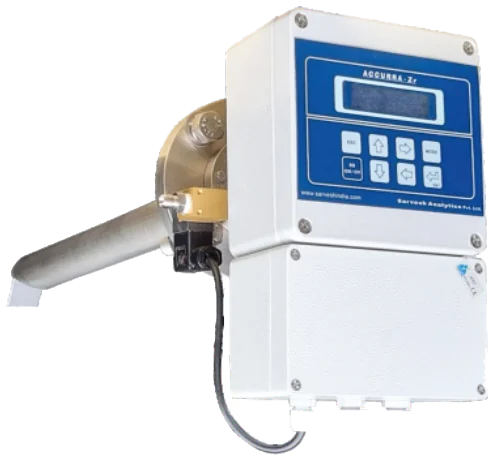
ACCURRA-Zr
Zirconia percent O2 analyser for furnaces and boilers, single-point air calibration, options to 1400 C.
View ACCURRA-Zr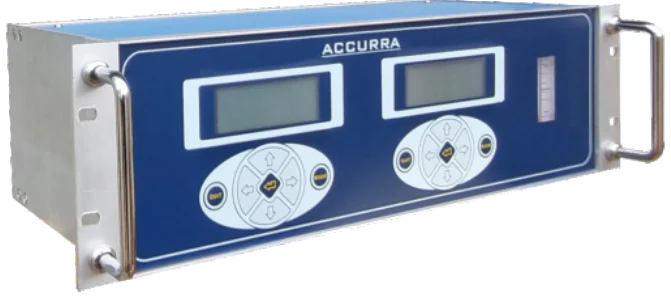
ACCURRA-S
Online analyser for trace, percent and purity O2, CO, CO2, CH4 and dew point; can measure two gases from one sample.
View ACCURRA-S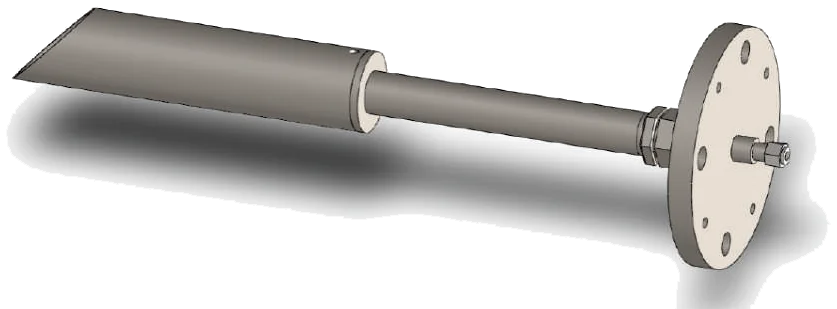
SP and SRP sample probes
Heated and non-heated probes with blowback, and retractable probes, in SS316, Inconel or ceramic.
View SP and SRP sample probes