
Integrated steelworks make three main by-product fuel gases: coke oven gas, rich in hydrogen and methane; blast furnace gas, lean and mostly CO, CO2 and nitrogen; and converter gas, rich in CO. They are cleaned and used as fuel, and their composition is measured for heating value, safety and process control. All are hot, dusty and in places tarry and toxic, so sampling is the main design task.
- Name the by-product gases and their main components
- Explain why each is measured
- Recognise the sampling challenges and limits
The three main gases
| Gas | Source | Roughly contains |
|---|---|---|
| Coke oven gas | Heating coal in coke ovens | Hydrogen about half, methane about a quarter, CO, nitrogen, plus tar and ammonia before cleaning |
| Blast furnace gas | Iron making in the blast furnace | Nitrogen about half, CO and CO2 about a fifth each, a little hydrogen; very dusty |
| Converter gas (BOF) | Oxygen steelmaking in the converter | Mostly CO with CO2 and nitrogen; periodic, hot and dusty |
Figures are approximate and vary by plant. The point is the mix: each gas is both a fuel and a hazard.
Why they are measured
- Heating value. The mix sets the fuel's energy; blending and burner control depend on it.
- Safety. CO is toxic and all three gases burn. Oxygen in converter gas ducts and gas holders is a key explosion safeguard.
- Recovery. Converter gas is recovered only when its composition is right; CO and oxygen decide when to start recovery and when to flare.
- Process control. Gas composition feeds furnace and heating controls.
Why sampling is hard
- Dust and tar. Blast furnace and converter gas carry heavy dust; coke oven gas carries tar and naphthalene that condense and clog.
- Heat. Probes face high temperatures.
- Toxic and corrosive components. Ammonia and other compounds fall outside standard sample limits: What samples an analyser cannot take: know the limits.
- Hazardous area. Many locations are classified: Hazardous area classification: zones, gas groups, T-Classes.
A heated probe with blowback, a heated line and conditioning matched to the gas are the usual answer: Probes and blowback for hot, dusty and tarry gas.
What our analysers can do
For CO, CO2, hydrogen and oxygen, the ACCURRA range offers NDIR for CO and CO2, thermal conductivity for hydrogen in binary cases, and electrochemical or paramagnetic oxygen. Streams with tar, ammonia or other toxic compounds are reviewed before a system is proposed. Send the composition and conditions: Steel plant process gases.
Multi-component gas mixtures such as coke oven gas, where the ratio of hydrogen, methane and CO matters together, are chromatograph territory: thermal conductivity assumes two components.
Related
Gas-based direct reduction (sponge iron) and ferroalloy furnaces have similar issues. Check the application pages and discuss your case.
- Coke oven gas is hydrogen and methane rich; blast furnace gas is lean CO, CO2 and nitrogen; converter gas is CO rich.
- They are measured for heating value, safety, recovery and control.
- Dust, tar, heat and toxic components make sampling the main task.
- Multi-component mixes may need a chromatograph.
Check your understanding
Answer in your head or on paper first, then open the answer. Recalling an answer teaches more than rereading.
Which steelworks gas is richest in hydrogen?
Coke oven gas.
Why is oxygen monitored in converter gas?
To avoid an explosive mixture of CO and oxygen in the duct and holder, and to decide when to recover or flare.
Why may a thermal conductivity analyser not suit coke oven gas?
It contains several gases at once, and the cell assumes only two components.
Key terms
Frequently asked questions
What is in blast furnace gas?
Mostly nitrogen, CO and CO2 with a little hydrogen, and heavy dust.
Why is converter gas recovered only sometimes?
Its composition changes during the blow; it is recovered when CO is high enough and oxygen is low.
Can you analyse coke oven gas?
Send the composition; tar and ammonia need review and a suitable sample system.
Which analysers are used in steelworks?
NDIR for CO and CO2, thermal conductivity for hydrogen in binary cases, and oxygen analysers, with probes for hot dusty gas.
Related products
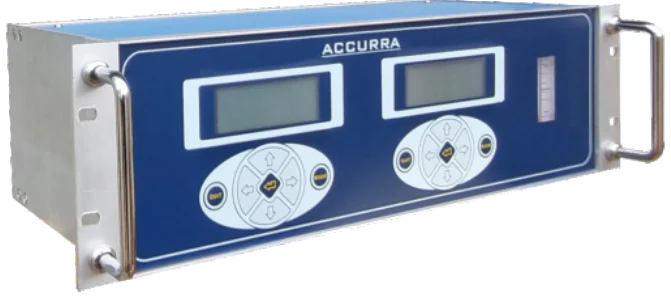
ACCURRA-S
Online analyser for trace, percent and purity O2, CO, CO2, CH4 and dew point; can measure two gases from one sample.
View ACCURRA-S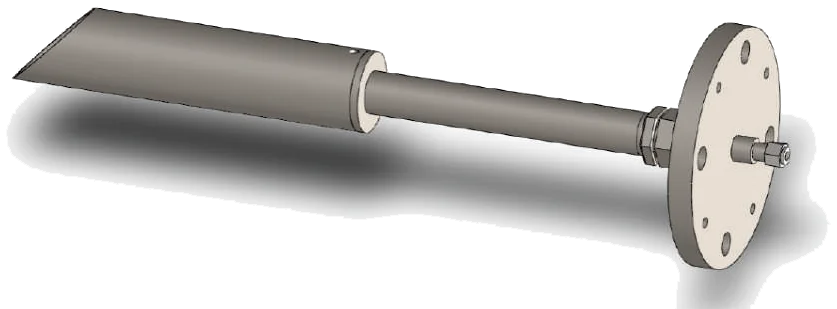
SP and SRP sample probes
Heated and non-heated probes with blowback, and retractable probes, in SS316, Inconel or ceramic.
View SP and SRP sample probesACCURRA-TCD
Thermal conductivity analyser for binary mixtures of H2, He, Ar, N2 and others, with no reference gas.
View ACCURRA-TCD